Armstrong APF pump foil Apf1350
€500.00
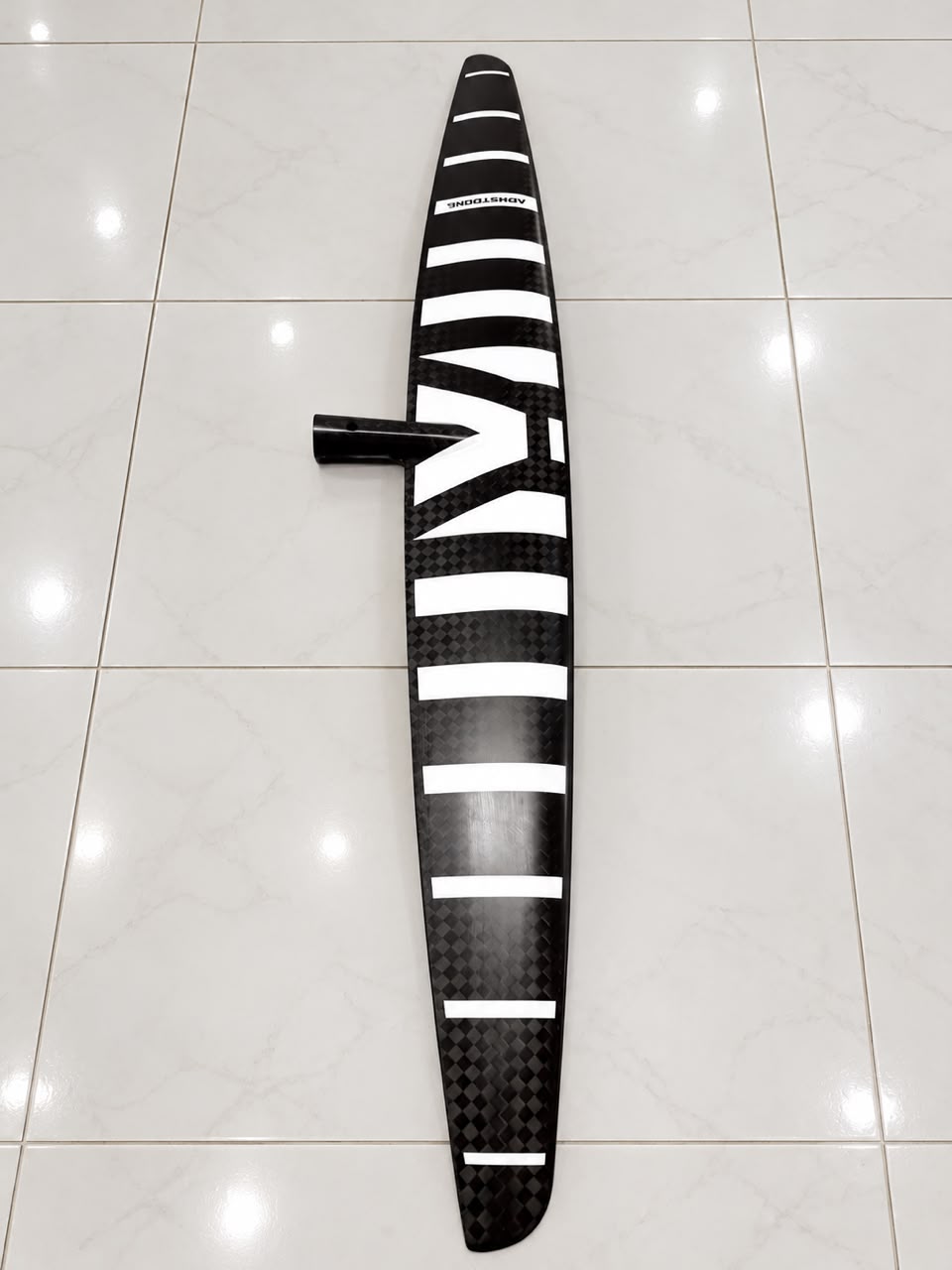
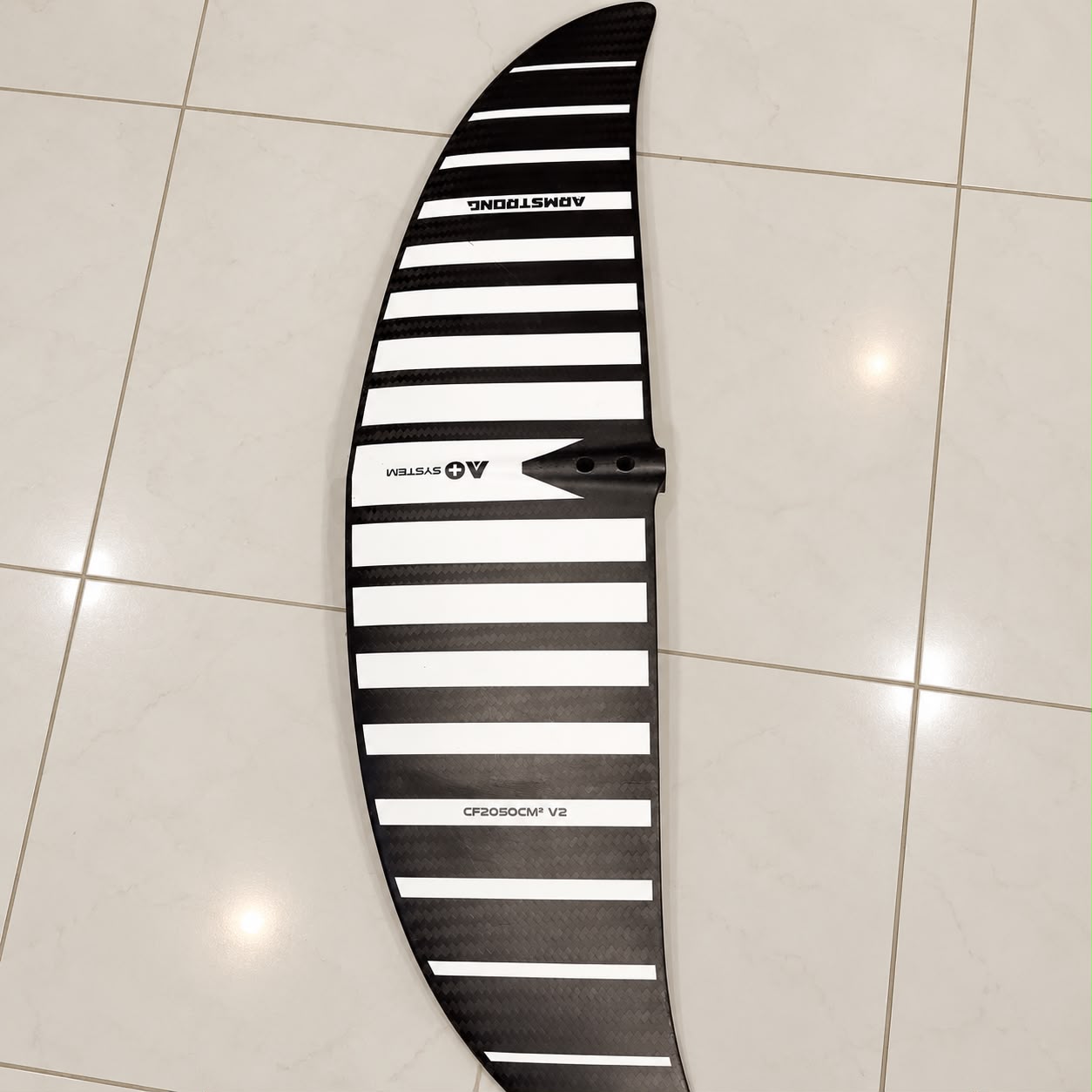
The Armstrong APF1350 Pump Foil is offered in excellent condition and has been carefully inspected by a professional to confirm its overall quality and readiness for use. The foil has been well maintained and is reported to have no cracks, no damage, no tears, no structural repairs, and no previous repair work. Its surfaces have been checked carefully, with particular attention given to the leading edge, trailing edge, wing tips, connection area, and mounting points.
Included Components
- Armstrong APF1350 front wing
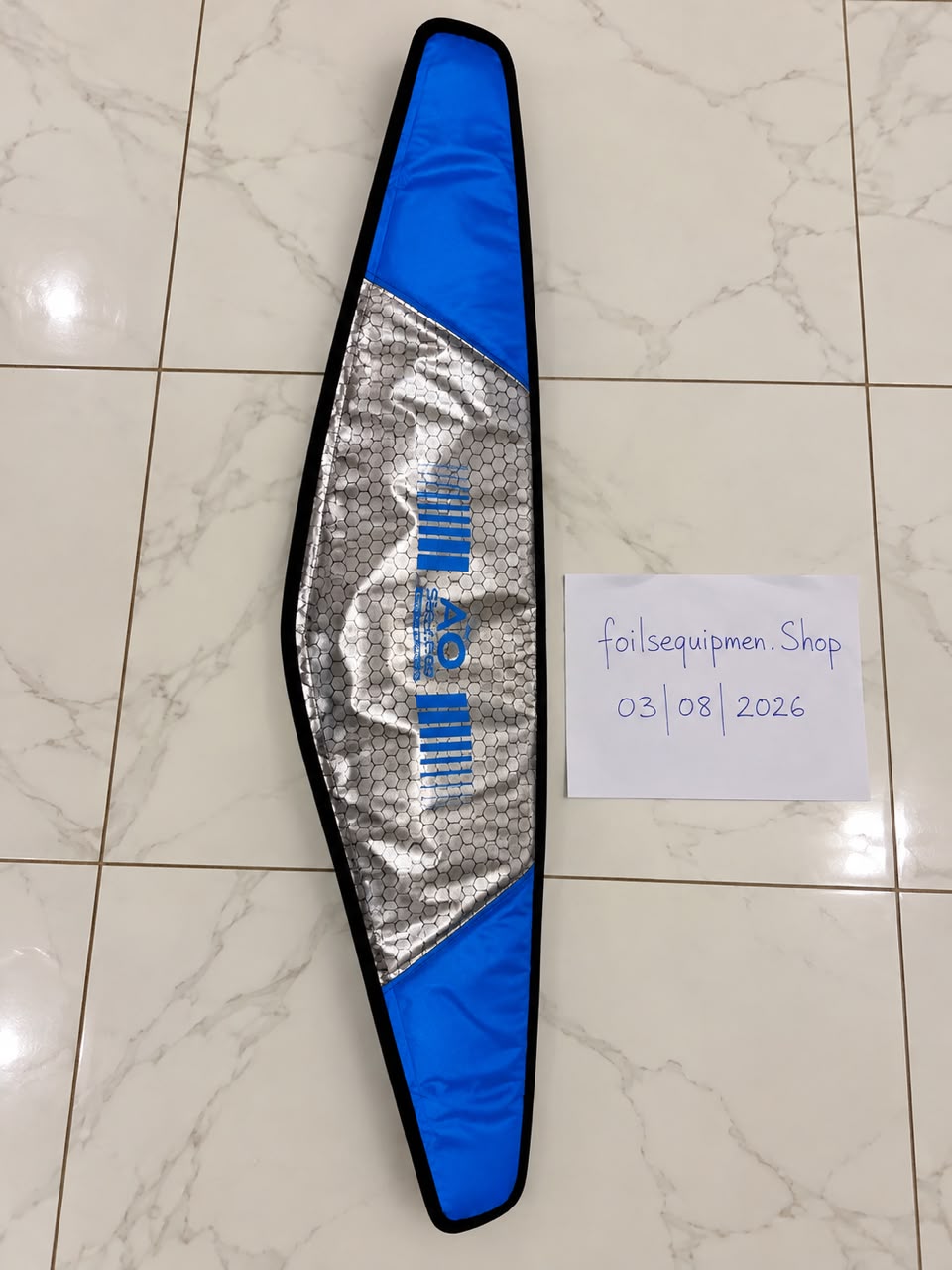
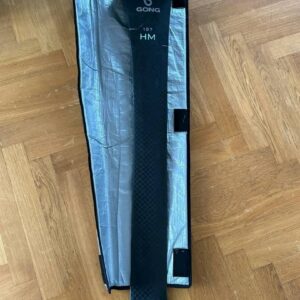
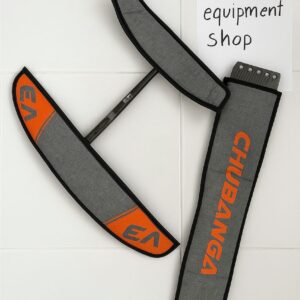
- Original protective cover
- 2 × M6 28.5 mm 316 stainless countersunk screws
- 2 × M6 19.5 mm 316 stainless countersunk screws
- M6 titanium barrel nut
- Original connection hardware
The front wing has been kept in excellent overall condition, with no significant cosmetic or structural issues reported. Furthermore, the connection interface and supplied hardware have been checked to ensure that everything is present and ready for the next session.
The Armstrong APF1350 is ready to use again for pump foiling, downwind foiling, micro-swell riding, flat-water training, and longer foil sessions. It can also be enjoyed for progressive riding and suitable jumps by an experienced rider using the correct complete foil setup and appropriate safety equipment.
A final pre-use inspection should always be completed before entering the water.
Description
Armstrong APF pump foil Apf1350
Armstrong APF1350 Pump Foil
Maximum flight time has been prioritized in the design of the Armstrong APF1350 Pump Foil. A specialized front foil has been developed for pump foiling, downwind foiling, micro-swell riding, and efficient low-speed flight. Consequently, a combination of very low-speed lift, stability, glide efficiency, and responsive handling has been provided
A 1,350 cm² surface area, 1,202 mm wingspan, and 10.7 aspect ratio have been incorporated into the APF1350. Furthermore, a high-camber foil section has been used to provide strong low-speed lift, while the wide-span outline has been designed to promote efficient glide.
Purpose-Built Pump Foil Design
The APF1350 has been created specifically around the demands of pump foiling.
As low-speed performance has been prioritized, lift can be generated at speeds where many conventional foils would begin to lose efficiency. Consequently, a more relaxed pumping cadence can be maintained while energy consumption can be reduced.
The design has also been developed with downwind applications in mind. Therefore, the same front foil can be used for riders who want to explore pump foiling, micro bumps, and low-wind downwind conditions.
Key Product Highlights
- Armstrong APF1350 Pump Foil
- 1,350 cm² surface area
- 1,202 mm wingspan
- 10.7 aspect ratio
- Carbon construction
- Armstrong A+ System connection
- High-camber foil section
- Nearly straight leading edge
- Forward-swept trailing edge
- Downturned wing tips
- Very low stall-speed characteristics
- Strong low-speed lift
- Efficient cruising and glide
- Pitch stability
- Responsive pitch control
- Designed for pump foiling
- Suitable for downwind foiling
- Suitable for micro-swell applications
- Protective cover included
- M6 stainless-steel mounting screws included
- Titanium barrel nut included
1,350 cm² Front Foil
A 1,350 cm² area has been provided for the APF1350.
As sufficient surface area is combined with a high-camber section, low-speed lift can be generated effectively. Consequently, takeoff and continued flight can be supported at relatively low speeds.
The size has also been positioned within the APF range as a more compact option than the larger APF models. Therefore, increased speed and maneuverability can be obtained while the low-speed character of the APF family is retained.
High-Camber Foil Section
A relatively thick, high-camber foil section has been incorporated.
As additional lift is produced at low speeds, the foil can remain controllable as speed is reduced. Consequently, a rider can be provided with more time and control during the pump cycle.
The section has been optimized specifically around low-speed operation rather than maximum high-speed performance. Therefore, the APF1350 is particularly well matched with riders who want efficient pumping and prolonged time on foil.
Ultra-Low Stall Speed
Very low stall-speed characteristics have been designed into the APF1350.
As lift can be retained at slower speeds, the foil can continue flying through slower sections of a pump cycle. Consequently, less aggressive pumping can be required to maintain flight.
This characteristic can be particularly valuable when small changes in speed need to be absorbed without an immediate loss of altitude.
Efficient Pumping
Efficient pumping has been made one of the central purposes of the APF1350.
As low-speed lift and pitch stability are combined, a smoother pumping rhythm can be established. Consequently, energy can be conserved while longer distances are covered.
A relaxed cadence can therefore be used rather than relying exclusively on aggressive pumping movements.
Wide-Span Outline
A wide-span configuration has been incorporated into the design.
As the span is extended across the 1,202 mm profile, efficient glide characteristics can be supported. Consequently, forward momentum can be retained more effectively between pumping movements.
The 10.7 aspect ratio further reinforces the efficiency-focused character of the APF1350.
Nearly Straight Leading Edge
A nearly straight leading edge has been used.
As the leading-edge geometry has been optimized to reduce unwanted spanwise flow, efficient lift production can be supported across the wing.
Consequently, predictable low-speed performance can be provided during takeoff, pumping, and slower flight phases.
Forward-Swept Trailing Edge
A forward-swept trailing edge has been incorporated into the outline.
As the trailing-edge geometry works with the broad span, glide efficiency can be enhanced.
Consequently, the rider can be provided with an efficient platform for connecting pumping cycles and maintaining flight.
Downturned Wing Tips
Downturned wing tips have been incorporated into the APF design.
As drag-producing effects can be reduced at the outer portions of the foil, overall efficiency can be improved.
Consequently, longer glide phases can be supported while pumping effort can be moderated.
Stable Yet Responsive
A balance between stability and responsiveness has been established.
As pitch stability is provided during important phases of flight, greater confidence can be developed during pumping. At the same time, responsive pitch behavior is retained.
Consequently, control can remain predictable while acceleration can still be generated when required.
Pitch Stability
Pitch stability has been given particular attention.
As the foil remains relatively stable through the pump cycle, unnecessary pitch corrections can be reduced.
Consequently, a more consistent pumping technique can be developed, particularly when longer distances are being attempted.
Responsive Pitch Control
Responsiveness has not been sacrificed for stability.
As the APF1350 responds to pitch inputs, acceleration can be generated when required.
Consequently, experienced riders can still obtain a lively and responsive feel while benefiting from the forgiving low-speed characteristics.
Pump 202 Stabilizer Compatibility
The APF1350 has been designed to work with Armstrong’s dedicated Pump 202 stabilizer.
As the Pump 202 has been developed specifically to complement the APF front-foil range, additional pitch stability and low-speed efficiency can be achieved when the appropriate complete setup is selected.
The Pump 202 stabilizer is a separate component unless it has been specifically included in the supplied package.
Armstrong A+ System
The Armstrong A+ System connection has been incorporated.
As the proprietary connection system is used across compatible Armstrong components, modularity can be maintained between the front foil and other compatible components.
Consequently, a flexible foil setup can be created as additional Armstrong components are selected.
Carbon Construction
Carbon construction has been used for the APF1350.
As a stiff and lightweight material has been selected, responsive foil behavior can be achieved while structural efficiency can be maintained.
Consequently, the front foil can be used effectively in performance-oriented pump and downwind applications.
Flat-Water Pumping
Flat-water pumping can be supported by the APF1350.
As very low-speed lift and stability have been prioritized, the foil can remain airborne while the rider develops a consistent pumping rhythm.
Consequently, flat-water sessions can be used for technique development, endurance, and efficiency.
Micro-Bump Riding
Small bumps and weak surface energy can be utilized effectively.
As the APF1350 is capable of maintaining lift at relatively low speeds, smaller sections of moving water can be connected.
Consequently, opportunities for longer foil runs can be increased when larger swell is unavailable.
Downwind Foiling
Downwind applications can be supported through the combination of low-speed lift and glide efficiency.
As the foil remains controllable through slower sections and can continue gliding efficiently, the rider can connect wind-generated bumps and swell more effectively.
Consequently, the APF1350 can serve as a practical platform for riders progressing into downwind foiling.
Low-Wind Applications
Low-wind foiling can be made more accessible through the APF1350’s low-speed characteristics.
As sufficient lift can be generated without requiring high forward speed, marginal conditions can be explored more effectively when the complete equipment configuration is appropriately matched.
Consequently, additional riding opportunities can be created in lighter conditions.
Learning Pump Foiling
Progression can be supported by the forgiving flight characteristics.
As the foil remains stable at lower speeds, more attention can be given to body position, pitch control, pumping timing, and foil height.
Consequently, technique can be developed without requiring excessively high speeds.
Advanced Pump Foiling
Advanced riders can also benefit from the design.
As responsive pitch behavior has been retained, acceleration and more dynamic pumping can be introduced once the fundamental technique has been developed.
Consequently, the APF1350 can continue to provide useful performance as rider ability increases.
Energy-Efficient Glide
Glide efficiency has been prioritized throughout the design.
As the large span and high aspect ratio support efficient flight, momentum can be retained between pumping inputs.
Consequently, fewer unnecessary movements can be required to maintain forward progress.
Longer Sessions
Longer foil sessions can be supported through energy-efficient flight.
As the rider is not required to maintain maximum pumping intensity continuously, physical effort can be distributed more effectively.
Consequently, greater distances can be attempted while fatigue is managed more efficiently.
Takeoff
Low-speed lift can make takeoff more accessible when the board, mast, stabilizer, and rider configuration are appropriately matched.
As the APF1350 is designed to remain effective at slow speeds, sufficient lift can be generated earlier in the acceleration process.
Consequently, a controlled transition onto foil can be achieved.
Low-Speed Control
Control at low speed is one of the defining characteristics of the APF1350.
As the foil section has been optimized for slower flight, predictable handling can be maintained when speed decreases.
Consequently, the rider can work on pumping technique without being forced into unnecessarily high speeds.
Pumping Cadence
A relaxed pumping cadence can be developed.
As lift is retained efficiently through the pump cycle, excessive vertical movement can be reduced.
Consequently, smoother and more economical pumping can be achieved.
Glide Between Pumps
The APF1350 has been designed to maintain useful glide between pumping movements.
As the outline and foil section have been optimized for efficiency, forward momentum can be retained.
Consequently, energy can be conserved during longer pump sequences.
Connecting Bumps
Small sections of surface energy can be connected more efficiently.
As low-speed lift and glide are combined, the rider can maintain flight while approaching the next available bump.
Consequently, continuous foil travel can become more achievable.
Maneuverability
Although efficiency has been prioritized, maneuverability has also been retained.
As the APF1350 has been made smaller than the larger APF configurations, a more responsive character can be provided.
Consequently, turns and directional adjustments can be performed with greater agility.
Acceleration
Quick acceleration can be supported by the responsive pitch characteristics.
As pitch inputs are translated efficiently into changes in foil behavior, speed can be increased when required.
Consequently, the APF1350 can provide more than simply low-speed stability.
Rider Progression
Progression from basic pumping to more advanced foil techniques can be supported.
As stability is provided during slower flight while responsiveness remains available, the rider can gradually increase pumping intensity and speed.
Consequently, the foil can remain useful through multiple stages of skill development.
Recommended Setup
The APF1350 should be paired with compatible Armstrong components.
As the A+ System has been designed around modular compatibility, an appropriate mast, fuselage, and stabilizer can be selected according to the intended application.
Consequently, the complete foil system can be tuned around rider weight, board characteristics, skill level, and riding discipline.
Mast Selection
Mast selection should be based on the intended riding environment.
As deeper water and downwind conditions can require different mast characteristics from flat-water practice, the appropriate compatible Armstrong mast should be selected.
Consequently, clearance and control can be balanced more effectively.
Fuselage Selection
The fuselage should be selected as part of the complete Armstrong A+ System.
As fuselage length and stabilizer configuration influence pitch and yaw behavior, the complete setup should be matched rather than assembled randomly.
Consequently, the intended handling characteristics can be maintained.
Stabilizer Selection
The stabilizer should be matched to the desired performance.
As the dedicated Pump 202 has been specifically developed for APF applications, enhanced pump stability and low-speed efficiency can be obtained when it is selected.
Consequently, the complete pump-foil configuration can be optimized.
Board Compatibility
The board should be selected according to rider ability and intended discipline.
As board volume, length, width, and foil-track position influence takeoff and stability, the complete setup should be considered.
Consequently, the APF1350 can be used more effectively when the board and foil characteristics are properly matched.
Rider Weight
Rider weight should be considered when the complete foil system is selected.
As takeoff speed and lift requirements vary according to rider mass, board configuration, and water conditions, a single setup should not be treated as universally suitable.
Consequently, equipment selection should be made around the rider rather than the front foil alone.
Pump-Foil Training
Training sessions can be structured around gradual progression.
As low-speed stability is provided, the rider can initially focus on maintaining foil height.
Later, pumping amplitude and frequency can be increased.
Consequently, technique can be developed progressively.
Flat-Water Technique
Flat-water practice can be particularly valuable.
As external swell energy is minimized, attention can be concentrated on pitch control, foot pressure, cadence, and glide management.
Consequently, a repeatable pumping technique can be developed.
Downwind Technique
Downwind progression requires additional attention to swell reading and energy management.
As the APF1350 can retain lift at lower speeds, the rider can concentrate on connecting bumps rather than relying exclusively on powered acceleration.
Consequently, smoother downwind lines can be developed.
Safety Considerations
A suitable safety approach should always be maintained.
As hydrofoils contain sharp leading edges and can generate substantial forces, appropriate protective equipment, sufficient water depth, and suitable conditions should be selected.
Consequently, unnecessary risks can be reduced.
Pre-Session Inspection
The complete foil should be inspected before every session.
Particular attention should be given to:
- Front-wing surface
- Leading edge
- Trailing edge
- Wing tips
- Mast connection
- Fuselage connection
- Stabilizer connection
- Mounting screws
- Hardware
- A+ System interface
Consequently, potential problems can be identified before entering the water.
Hardware
The APF1350 is supplied with specific mounting hardware.
The official product listing identifies a protective cover, two M6 28.5 mm 316 stainless countersunk screws with rainbow titanium coating, two M6 19.5 mm 316 stainless countersunk screws with gold titanium coating, and one M6 8 mm titanium barrel nut as inclusions.
Consequently, the required supplied hardware can be kept organized and protected between sessions.
Protective Cover
A protective cover is included.
As the carbon front foil can be protected during transportation and storage, unnecessary scratches and accidental contact can be reduced.
Consequently, the foil can be kept in better condition between sessions.
Mounting Hardware Care
The supplied hardware should be kept clean and correctly installed.
As the foil connection is safety-critical, damaged or inappropriate hardware should not be substituted without confirmation of compatibility.
Consequently, secure assembly can be maintained.
Salt-Water Care
After salt-water use, appropriate rinsing should be performed.
As salt residue can accumulate around hardware and connection points, regular cleaning can help reduce corrosion and contamination.
Consequently, the connection system can be preserved more effectively.
Fresh-Water Use
Fresh-water environments can also be used with the APF1350.
As the foil is not dependent on salt-water conditions, pump training and flat-water sessions can be performed where appropriate.
Consequently, a wide range of training environments can be accessed.
Storage
The front foil should be stored in a dry and protected location.
As carbon surfaces and precision connection interfaces can be damaged through careless storage, direct contact with hard or abrasive objects should be avoided.
Consequently, the foil can be preserved more effectively.
Transportation
The protective cover should be used during transportation.
As the foil’s leading edge and tips can be vulnerable to impact, appropriate protection should be maintained.
Consequently, accidental transportation damage can be minimized.
Professional Inspection
Any significant impact, collision, grounding event, or suspected structural damage should be assessed before further use.
As carbon components can sustain damage that is not always obvious externally, professional inspection should be relied upon when the condition is uncertain.
Consequently, the foil can be returned to use only when its structural condition has been appropriately established.
Product Specifications
The published APF1350 specifications are:
- Model: APF1350
- Category: Pump Foil Front Foil
- Area: 1,350 cm²
- Span: 1,202 mm
- Aspect Ratio: 10.7
- Construction: Carbon
- Connection: Armstrong A+ System
- Primary application: Pump foiling
- Additional applications: Downwind foiling and low-speed foil riding
- Protective cover: Included
- Mounting hardware: Included
Main Advantages
- Very low-speed lift
- Low stall-speed characteristics
- Efficient glide
- High aspect ratio
- Strong pitch stability
- Responsive pitch behavior
- Relaxed pumping cadence
- Efficient energy conservation
- 1,350 cm² surface area
- 1,202 mm span
- 10.7 aspect ratio
- Carbon construction
- Armstrong A+ System
- Downturned wing tips
- Nearly straight leading edge
- Forward-swept trailing edge
- Protective cover included
- Supplied mounting hardware
- Suitable for pump foiling
- Suitable for downwind progression
Why the APF1350 Is Different
A specific balance between accessibility and performance has been established with the APF1350.
As the high-camber section provides low-speed lift while the 10.7 aspect ratio supports efficient glide, a useful combination of stability and efficiency can be achieved. Furthermore, responsive pitch characteristics have been retained, allowing acceleration and maneuverability to be introduced as rider ability develops.
Consequently, the APF1350 can be positioned between larger, slower pump-foil configurations and faster, more performance-oriented foil designs.
Ideal Applications
The APF1350 can be considered for:
- Pump foiling
- Flat-water pumping
- Downwind foiling
- Micro-bump riding
- Light-wind foiling
- Foil technique development
- Long-distance pumping
- Swell connection
- Progressive foil training
- Advanced pump-foil riding
Final Product Overview
The Armstrong APF1350 Pump Foil has been purpose-built around efficient low-speed flight.
A high-camber foil section, nearly straight leading edge, forward-swept trailing edge, wide span, downturned tips, and high aspect ratio have been combined to provide low-speed lift, pitch stability, and efficient glide. Consequently, less effort can be required to remain on foil while longer flight phases can be achieved.
With 1,350 cm² of area, a 1,202 mm span, and a 10.7 aspect ratio, the APF1350 has been positioned as a versatile option for riders who want the low-speed advantages of a dedicated pump foil while gaining greater responsiveness and speed potential than the larger APF sizes.
Furthermore, compatibility with the Armstrong A+ System allows the front foil to be integrated into a broader modular setup. When paired with an appropriate mast, fuselage, and stabilizer, a highly efficient pump-foiling configuration can be created.
For riders seeking low-speed lift, relaxed pumping, efficient glide, stability, responsive acceleration, and longer time on foil, the Armstrong APF1350 can provide a highly specialized solution for modern pump and downwind foiling.
Armstrong APF1350 Pump Foil – Practical Use and Performance
Practical Pump Foiling
The Armstrong APF1350 has been designed to make efficient pump foiling more accessible while retaining enough responsiveness for experienced riders. A high-camber profile has been combined with a wide span and efficient outline.
As lift can be maintained at relatively low speeds, the rider can be allowed to work with a smoother pumping rhythm. Consequently, less aggressive movement can be required to keep the foil flying.
Flat-Water Pump Foiling
Flat-water sessions can be used effectively with the APF1350.
As the foil has been designed around low-speed lift and efficient glide, continuous flight can be practiced without relying on large swell or waves.
Consequently, important fundamentals such as pitch control, foot pressure, pumping cadence, and foil-height management can be developed in a controlled environment.
Learning the Pump Cycle
A consistent pump cycle should be developed gradually.
As the rider transfers pressure between the front and rear foot, the foil can be made to rise and fall in a controlled rhythm.
Consequently, forward momentum can be generated without excessive vertical movement.
Efficient Pumping Technique
Efficiency should be prioritized over force.
As the APF1350 can retain lift through slower sections of the pump cycle, excessive pumping amplitude can be avoided.
Consequently, energy can be conserved and longer sessions can be achieved.
Maintaining Foil Height
Consistent foil height is essential during pump foiling.
As small pitch corrections are made through the feet and body, the foil can be kept within an efficient flight zone.
Consequently, unnecessary altitude changes can be reduced.
Recovering From a Speed Loss
A temporary reduction in speed does not necessarily require an immediate touchdown.
As low-speed lift has been prioritized within the APF1350 design, the rider can use controlled pumping to rebuild speed.
Consequently, slower sections can potentially be recovered without returning completely to displacement mode.
Starting Again After Touchdown
If touchdown occurs, the foil can be accelerated again when sufficient water depth and conditions are available.
As the APF1350 produces strong lift at lower speeds, the rider can be provided with a useful platform for restarting the pump cycle.
Consequently, repeated attempts can be made during training.
Micro-Swell Riding
Small swell and surface bumps can be utilized effectively.
As efficient glide has been combined with low-speed lift, the rider can maintain flight through relatively small sections of moving water.
Consequently, conditions that might otherwise provide limited foiling opportunities can become more useful.
Linking Bumps
Individual bumps can be connected when appropriate timing is used.
As the APF1350 retains momentum effectively, the rider can approach the next bump without requiring continuous high-intensity pumping.
Consequently, longer foil runs can be achieved.
Downwind Foiling
Downwind foiling is one of the natural applications for the APF1350.
As the foil is capable of maintaining flight through slower portions of a run, small changes in swell energy can be absorbed.
Consequently, a more fluid connection between bumps can be developed.
Downwind Takeoff
A suitable downwind launch should be performed with appropriate equipment and experience.
As sufficient forward speed is required for stable foil flight, the board and foil should be matched carefully.
Consequently, takeoff can be made more predictable.
Downwind Glide
Once flight has been established, the APF1350 can be used to glide between available energy sources.
As the high aspect ratio supports efficient flight, momentum can be preserved.
Consequently, less pumping can be required between individual bumps.
Downwind Pumping
When swell energy decreases, pumping can be introduced.
As low-speed lift remains available, the rider can rebuild speed without requiring excessive acceleration.
Consequently, longer downwind connections can be attempted.
Swell Selection
Good swell selection can improve performance significantly.
As the rider learns to identify approaching bumps, the foil can be directed toward the most useful energy.
Consequently, unnecessary pumping can be reduced.
Reading Water Movement
Water texture can provide important information.
As surface movement indicates changes in wind and swell energy, experienced riders can use these visual cues to select better lines.
Consequently, the APF1350 can be used more efficiently.
Pumping Into a Bump
Momentum should be maintained before reaching a bump.
As the foil already has forward speed, the available energy can be used more efficiently.
Consequently, less aggressive pumping can be required.
Exiting a Bump
Once the rider has gained energy from a bump, the next section should be identified early.
As the APF1350 provides efficient glide, forward momentum can be retained.
Consequently, the next energy source can be reached with fewer corrective movements.
Long-Distance Pumping
Long-distance pump foiling can be attempted by experienced riders.
As the foil is designed to conserve energy through efficient glide, a sustainable pumping cadence can be developed.
Consequently, fatigue can be managed more effectively during extended sessions.
Endurance Training
The APF1350 can be useful for endurance-focused training.
As excessive pumping force is not always required, physical effort can be distributed over a longer period.
Consequently, riders can focus on technique and efficiency rather than relying purely on strength.
Technique Over Power
Technical efficiency should be prioritized.
As the foil has been designed to respond to controlled pitch changes, smooth movement can be more productive than aggressive pumping.
Consequently, improved technique can produce longer flights with less physical effort.
Advanced Pumping
Advanced riders can increase pumping intensity gradually.
As responsive pitch behavior has been retained, greater acceleration can be generated when stronger inputs are applied.
Consequently, the foil can continue to provide performance as rider ability progresses.
Carving
Carving can be incorporated into pump-foil sessions.
As the APF1350 remains responsive while maintaining low-speed stability, directional changes can be performed with controlled weight transfer.
Consequently, pumping and carving can be combined.
Turning Radius
The turning radius can be influenced by rider technique and the complete foil setup.
As the 1350 is more compact than larger APF configurations, increased maneuverability can be provided.
Consequently, more dynamic turns can be introduced while retaining the benefits of a dedicated pump foil.
Pitch Control
Precise pitch control is central to effective use.
As the front foil responds to changes in rider pressure, altitude can be controlled through subtle foot movements.
Consequently, a smoother flight path can be established.
Front-Foot Pressure
Front-foot pressure can be used to influence foil pitch.
As pressure is increased appropriately, the nose can be controlled and lift can be managed.
Consequently, the foil can be prevented from climbing excessively.
Rear-Foot Pressure
Rear-foot pressure can be used to encourage lift.
As the rider loads the rear foot appropriately, the foil can be raised.
Consequently, momentum can be generated through the pump cycle.
Neutral Position
A neutral riding position should be maintained whenever possible.
As excessive movement can waste energy, the rider should seek a balanced position above the foil.
Consequently, the pump cycle can become smoother and more economical.
Foil Height
The foil should be flown at a height that provides sufficient clearance without excessive altitude.
As the rider becomes familiar with the APF1350’s lift characteristics, more consistent height can be maintained.
Consequently, efficiency can be improved.
Board Connection
The board and foil connection should be inspected regularly.
As high loads can be generated during pumping, mounting hardware and connection points should remain secure.
Consequently, unwanted movement or mechanical problems can be minimized.
Armstrong A+ System
The APF1350 has been integrated into the Armstrong A+ System.
As compatible Armstrong components can be combined through the system, a modular foil setup can be created.
Consequently, the same equipment platform can be adapted to different riding requirements.
Mast Selection
The mast should be selected according to water depth, rider ability, board design, and intended discipline.
As deeper masts can provide additional clearance while shorter masts can simplify learning, the appropriate option should be selected carefully.
Consequently, the complete setup can remain practical for its intended environment.
Fuselage Selection
The fuselage should be matched to the stabilizer and front foil.
As fuselage geometry influences pitch and yaw response, compatibility should be confirmed before assembly.
Consequently, predictable handling can be maintained.
Stabilizer Selection
A compatible stabilizer should be selected according to the desired handling characteristics.
As the dedicated Pump 202 has been developed for the APF range, an efficient pump-oriented configuration can be created when the appropriate components are combined.
Consequently, pitch stability and low-speed efficiency can be optimized.
Pump 202 Configuration
The Pump 202 stabilizer can be paired with the APF1350 as part of an Armstrong pump-foiling setup.
As the stabilizer has been designed around pump-foil requirements, additional stability and efficient handling can be provided.
Consequently, the complete foil system can be better matched to low-speed pumping.
Board Volume
Board volume should be matched to rider experience.
As additional volume can make starting and balancing easier, a suitable board can help the rider reach foil flight more consistently.
Consequently, the APF1350 can be used more effectively during progression.
Board Length
Board length can influence takeoff and stability.
As longer boards can provide more glide and stability while shorter boards can feel more maneuverable, the appropriate design should be selected according to the intended application.
Consequently, the complete system can be balanced.
Board Width
Board width also affects stability.
As wider boards provide a larger platform, they can be useful during early pump-foiling progression.
Consequently, the rider can focus more closely on foil control.
Track Position
Foil track position should be adjusted carefully.
As front-wing pressure and pitch response are influenced by mast position relative to the rider’s stance, small adjustments can change handling.
Consequently, the final setup should be tuned gradually.
Rider Weight
Rider weight should always be considered.
As heavier riders generally require more lift and takeoff speed, the APF1350 should be paired with an appropriate board, mast, stabilizer, and riding environment.
Consequently, a more predictable setup can be achieved.
Smaller Riders
Smaller riders can benefit from the APF1350’s responsive characteristics.
As less lift may be required, the 1,350 cm² configuration can provide a useful combination of low-speed performance and maneuverability.
Consequently, the foil can remain engaging rather than feeling unnecessarily oversized.
Larger Riders
Larger riders may require more deliberate equipment matching.
As additional lift is required during takeoff and slower sections, board volume, mast configuration, and stabilizer selection become increasingly important.
Consequently, the complete setup should be selected rather than relying on front-wing size alone.
Water Depth
Sufficient water depth should always be maintained.
As hydrofoils extend beneath the board, shallow water can create a serious impact hazard.
Consequently, suitable launch and riding areas should be selected.Armstrong APF pump foil Apf1350
Open-Water Riding
Open-water sessions should be planned carefully.Armstrong APF pump foil Apf1350
As wind, swell, currents, boats, and other water users can create changing conditions, the riding environment should be evaluated before launch.Armstrong APF pump foil Apf1350
Consequently, safer riding decisions can be made.Armstrong APF pump foil Apf1350
Crowded Water
The APF1350 should be used with appropriate awareness around other water users.
As hydrofoil equipment can travel quickly and contains hard edges, sufficient separation should be maintained.Armstrong APF pump foil Apf1350
Consequently, collisions can be avoided.
Personal Protective Equipment
Appropriate protective equipment should be worn.Armstrong APF pump foil Apf1350
As falls can involve contact with the board, mast, or foil, suitable impact protection and other recommended safety equipment can reduce injury risk.Armstrong APF pump foil Apf1350
Consequently, progression can be approached more responsibly.
Helmet
A suitable water-sports helmet should be considered.
As falls can occur unexpectedly during foil training, head protection can provide an additional layer of safety.Armstrong APF pump foil Apf1350
Consequently, training can be approached with greater protection.
Impact Vest
An appropriate impact vest can also be beneficial.
As falls may involve significant water impact, additional buoyancy and impact protection can be useful.Armstrong APF pump foil Apf1350
Consequently, the rider can be better supported during progression.
Leash Considerations
Leash use should follow the recommendations appropriate to the specific board, foil, and riding environment.Armstrong APF pump foil Apf1350
As hydrofoil systems can behave differently from conventional surf equipment during falls, leash configuration should be selected carefully.Armstrong APF pump foil Apf1350
Consequently, equipment-specific safety guidance can be followed.
Pre-Session Inspection
A complete equipment inspection should be performed before entering the water.
The following should be checked:
- Front foil
- Leading edge
- Trailing edge
- Wing tips
- Mast connection
- Fuselage
- Stabilizer
- Mounting hardware
- A+ System interface
- Board tracks
- Screws
- Nuts
- Protective cover
Consequently, loose hardware or visible damage can be identified before riding.Armstrong APF pump foil Apf1350
Leading Edge Inspection
The leading edge should be examined carefully.Armstrong APF pump foil Apf1350
As impacts with rocks, sand, or other hard surfaces can damage the foil, any suspected structural problem should be professionally assessed.Armstrong APF pump foil Apf1350
Consequently, damaged equipment can be prevented from being returned to use prematurely.
Trailing Edge Inspection
The trailing edge should also be checked.Armstrong APF pump foil Apf1350
As thin foil sections can be susceptible to impact damage, careful handling should be maintained.
Consequently, small defects can be identified before they become larger problems.
Wing Tip Inspection
Both wing tips should be inspected after every session.Armstrong APF pump foil Apf1350
As the tips can contact the ground during handling, accidental damage should be avoided.
Consequently, transportation and setup should be performed carefully.
Mounting Screw Inspection
Mounting screws should be checked for correct installation.
As loose hardware can compromise the foil connection, appropriate torque and manufacturer procedures should be followed.Armstrong APF pump foil Apf1350
Consequently, the foil can remain securely attached.Armstrong APF pump foil Apf1350
Carbon Care
The carbon construction should be treated carefully.
As carbon components can sustain structural damage from significant impacts, the foil should not be dragged across hard surfaces.Armstrong APF pump foil Apf1350
Consequently, unnecessary damage can be reduced.Armstrong APF pump foil Apf1350
Salt-Water Maintenance
After salt-water use, appropriate fresh-water rinsing should be performed.
As salt deposits can accumulate around hardware and connection points, cleaning can help reduce corrosion and contamination.Armstrong APF pump foil Apf1350
Consequently, the foil system can remain in better condition.
Fresh-Water Maintenance
Fresh-water use still requires routine inspection.
As sand, dirt, and debris can enter connection areas, the complete foil should be cleaned and checked.Armstrong APF pump foil Apf1350
Consequently, smooth assembly can be maintained.Armstrong APF pump foil Apf1350
Sand Protection
The foil should be kept away from abrasive surfaces.Armstrong APF pump foil Apf1350
As sand can scratch carbon surfaces and enter connection interfaces, careful beach handling should be practiced.Armstrong APF pump foil Apf1350
Consequently, unnecessary wear can be reduced.Armstrong APF pump foil Apf1350
Storage
The APF1350 should be stored in a dry and protected environment.
As the foil can be damaged through impacts with other equipment, a protective cover should be used when available.Armstrong APF pump foil Apf1350
Consequently, the leading and trailing edges can be protected.Armstrong APF pump foil Apf1350
Transportation
The supplied protective cover should be used during transportation.Armstrong APF pump foil Apf1350
As the foil may be exposed to accidental impact while being moved, dedicated protection can reduce the likelihood of cosmetic or structural damage.Armstrong APF pump foil Apf1350
Consequently, the equipment can be transported more safely.
Long-Term Storage
Before extended storage, the foil should be cleaned and dried.
As moisture and contamination can remain around connection points, proper preparation should be completed.Armstrong APF pump foil Apf1350
Consequently, the foil can be kept ready for the next season.
Professional Inspection
Professional assessment should be obtained after significant impact, collision, grounding, or suspected structural damage.
As carbon damage may not always be obvious externally, visual inspection alone should not be treated as proof of structural integrity.Armstrong APF pump foil Apf1350
Consequently, appropriate professional assessment can be relied upon when needed.
Buying a Used APF1350
A used APF1350 should be evaluated carefully before purchase.
Attention should be given to:
- Leading-edge condition
- Trailing-edge condition
- Wing-tip condition
- Carbon surface
- Connection interface
- Mounting hardware
- Previous impacts
- Storage history
- Included cover
- Included hardware
Consequently, the actual condition of the foil can be assessed more accurately.
Included Components
The official APF1350 package includes a protective cover and specified mounting hardware.
Depending on the particular listing, additional Armstrong components may or may not be included.
Consequently, the exact contents of the package should always be confirmed before purchase.
Protective Cover
The protective cover provides useful protection when the foil is not being ridden.
As the leading and trailing edges can be vulnerable during transportation, appropriate coverage can reduce accidental contact.Armstrong APF pump foil Apf1350
Consequently, the foil can remain protected between sessions.
Mounting Hardware
Specified mounting hardware is supplied with the APF1350.
As the correct screws and barrel nut are designed for the relevant Armstrong connection, the supplied hardware should be retained and used according to manufacturer instructions.
Consequently, assembly can remain within the intended configuration.Armstrong APF pump foil Apf1350
Product Value
The APF1350 offers value through specialization rather than simply size.Armstrong APF pump foil Apf1350
As the foil has been designed specifically around efficient pump and downwind performance, riders can benefit from characteristics that may not be prioritized in conventional front wings.
Consequently, it can be particularly valuable for riders whose main objective is longer and more efficient foil flight.Armstrong APF pump foil Apf1350
Progression Value
The APF1350 can remain useful as skills improve.
As low-speed stability supports early progression while responsive pitch behavior remains available for advanced technique, the foil can accommodate multiple stages of development.
Consequently, the equipment does not have to become immediately obsolete as riding ability increases.Armstrong APF pump foil Apf1350
Who Should Choose the APF1350?
The APF1350 can be considered by riders who want:
- Efficient pump foiling
- Low-speed lift
- Long glide phases
- Micro-bump riding
- Downwind progression
- Stable pitch behavior
- Responsive control
- Armstrong A+ compatibility
- A dedicated pump-oriented front foil
Consequently, it can be particularly well suited to riders who value time on foil over maximum top speed.Armstrong APF pump foil Apf1350
Who May Prefer a Different Foil?
Riders primarily focused on high-speed carving or maximum top-end performance may prefer a different front-wing design.Armstrong APF pump foil Apf1350
As the APF1350 has been optimized around low-speed efficiency, its characteristics should be evaluated according to the intended discipline.Armstrong APF pump foil Apf1350
Consequently, the correct foil can be selected based on actual riding objectives.
Pump Foiling Versus Surf Foiling
The APF1350 should not be viewed as a conventional surf front wing.
As its geometry has been optimized for low-speed lift and efficient pumping, its strongest advantages are found when sustained foil flight is prioritized.
Consequently, riders seeking a dedicated pump platform can benefit more fully from its design.
Pump Foiling Versus High-Speed Foiling
A different performance balance has been established compared with high-speed front wings.
As low-speed lift and glide have been prioritized, the APF1350 can be more effective during slow pump cycles.Armstrong APF pump foil Apf1350
Consequently, it can provide advantages where efficiency and flight duration are more important than maximum speed.Armstrong APF pump foil Apf1350
Pump Foiling Versus Downwind Foiling
The two disciplines can complement one another.Armstrong APF pump foil Apf1350
As the APF1350 can maintain lift through slower sections, downwind riders can connect bumps more effectively.Armstrong APF pump foil Apf1350
Consequently, a single front foil can support both pump training and suitable downwind progression.
Final Performance Summary
The Armstrong APF1350 has been developed around a very specific performance objective: efficient flight at relatively low speeds.Armstrong APF pump foil Apf1350
Its 1,350 cm² area, 1,202 mm span, 10.7 aspect ratio, high-camber section, wide-span outline, nearly straight leading edge, forward-swept trailing edge, and downturned wing tips have been combined to produce strong low-speed lift and efficient glide.Armstrong APF pump foil Apf1350
Consequently, the foil can be used for flat-water pumping, micro-swell riding, downwind foiling, endurance training, and progressive pump-foil development.Armstrong APF pump foil Apf1350
Final Product Overview
A specialized combination of low-speed lift, pitch stability, glide efficiency, responsiveness, and maneuverability has been provided by the Armstrong APF1350.
As the foil has been designed around the Armstrong A+ System, it can be integrated with compatible Armstrong masts, fuselages, stabilizers, and boards. Furthermore, the dedicated pump-oriented characteristics allow the rider to focus on efficiency rather than simply generating speed.
For riders who want to spend more time flying, connect smaller bumps, reduce pumping effort, and develop advanced foil technique, the Armstrong APF1350 Pump Foil can provide a highly capable platform.Armstrong APF pump foil Apf1350
Before every session, the front foil, mast, fuselage, stabilizer, mounting hardware, board connection, and surrounding equipment should be inspected carefully. Any equipment that has experienced a significant impact or suspected structural damage should be professionally assessed before being returned to the water.


Reviews
There are no reviews yet.